
What a nonprofit should expect from an outreach partner
August 8, 2026
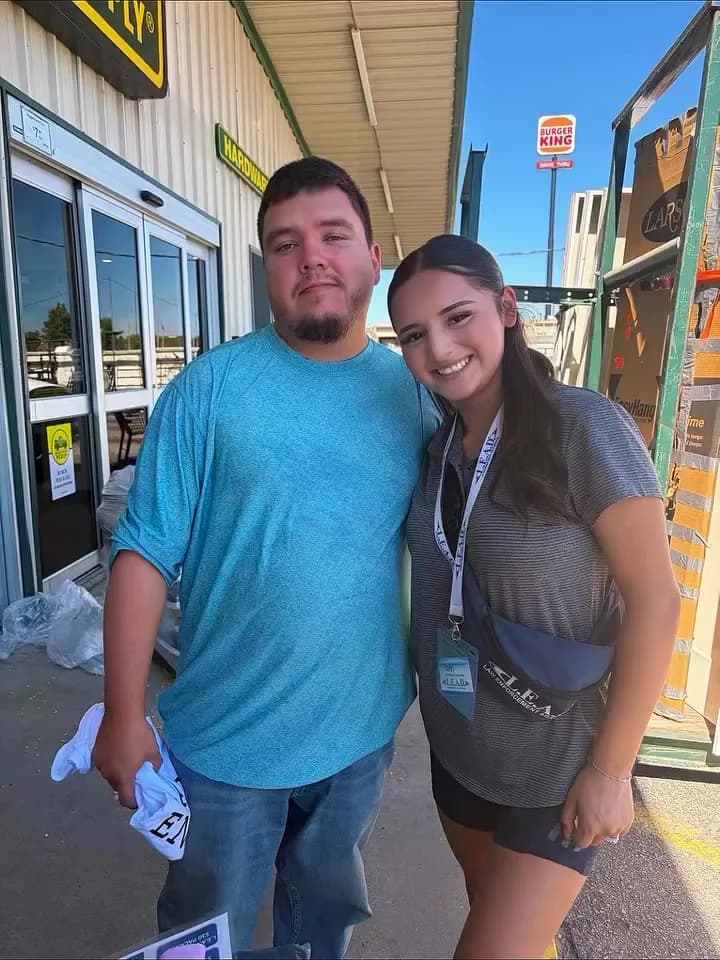
When a nonprofit brings in an outreach partner, it hands over something precious: the way it is experienced in person. A supporter who has a warm, well-informed conversation on a sidewalk remembers the cause, not the agency. That is the whole reason this decision deserves careful thought.
Ask who trains the people, and on what
The person representing your organization should be able to explain what it does, who it serves, and where the money goes, without reciting a script. Ask how that training happens, how long it takes, and who signs off that someone is ready. A strong partner can name the person who makes that call.
Ask how a supporter is treated when they say no
Most of the people your team speaks to will decline, and how those conversations end is what the public remembers about your cause. Ask directly what the team does when someone says no. The answer you want to hear is a graceful exit, every time.
Ask what you get back, and whether you can check it
- How many conversations happened, where, and on which days
- What those conversations produced
- What it cost to produce them
- What the partner would change next time, in their own words
Ask to see a real example from a current campaign, with the client's name removed. A good partner will have one ready.
Ask about the people, not just the plan
Who is on the ground, how long they have been doing this, and who leads them. Outreach quality tracks experience closely, so it is worth knowing who will represent you across the whole campaign.
Ask what happens when something goes wrong
Every campaign meets the unexpected, from a venue with a question to a supporter with a concern. What you want to know is that you hear about it from your partner first. Ask how they have handled one before, specifically.
These are good questions to ask early. If your organization is weighing up an outreach partner in the Houston area, we are happy to answer all of the above in a first conversation.
Want to do work that means something?
We are always meeting driven people who want to grow while doing real work in the community. The roles are entry level and need no experience, because we train and mentor you.