
How to tell if your outreach campaign is actually working
September 2, 2026
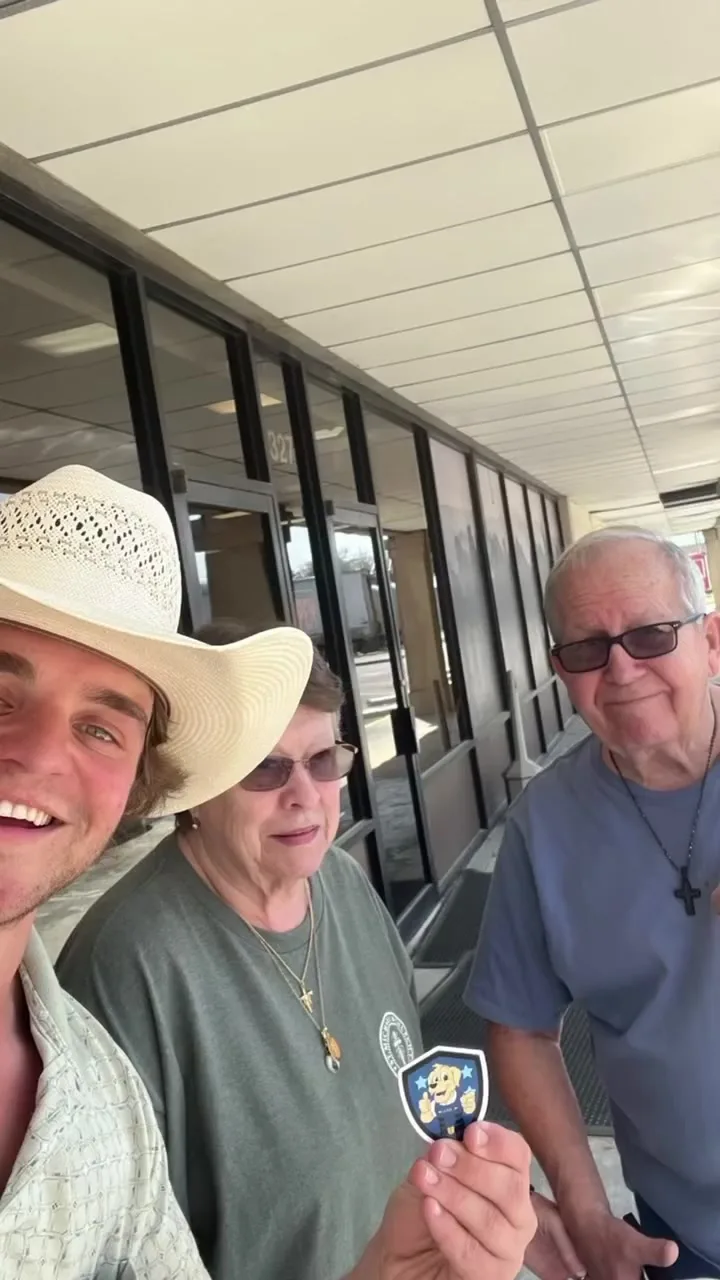
The most useful conversation about outreach results happens before the campaign starts, when the nonprofit and its partner agree on what a good result looks like. Settling that up front is worth more than any report produced after it ends.
How do you measure community outreach?
Count the things that actually happened, not the things that were planned. A useful outreach report tells you how many conversations took place, where and on which days, what those conversations produced, and what it cost to produce them. Everything else is decoration sitting on top of those four numbers.
Those four are unglamorous on purpose. Conversations, locations, outcomes, and cost either happened or did not, and each can be checked against a calendar and an invoice. Anything that cannot be checked is an opinion. Opinions are worth having, and they should not be the top line of a report.
One caution on attribution. Outreach happens in public, alongside everything else your organization is doing, so it is rarely the only reason someone gave or signed up. Ask your partner to report what they can evidence, and to say plainly where a number is an estimate.
What is a good result from an outreach campaign?
It depends on what you asked for, which is why the goal has to be set before the first event. A campaign built for awareness and a campaign built for signups produce different reports, and judging one by the other's measure is the most common way a nonprofit talks itself out of work that was fine.
Write the goal down before the first event, in one sentence, with the thing you want more of named plainly. More people on the mailing list. More volunteers at the next event. More parents who have heard of the program before their school introduces it. A goal written that way is easy to report against and hard to argue about later.
It protects the partner too. A team sent out with a clear goal makes different choices on the ground, including which events are worth attending and which conversations are worth extending. A vague brief produces a busy campaign, and busy is not the same thing as useful.
Activity numbers and where they belong
Foot traffic at an event, materials handed out, and photographs taken all feel like results, and none of them are. They measure activity, which is easy to produce, rather than outcomes, which are not. They belong in a report as context, near the bottom, with outcomes at the top.
How long does outreach take to show results?
Longer than one weekend and sooner than most people fear. Conversation counts and cost per conversation are readable almost immediately, because they are arithmetic on what already happened. The slower number is retention, whether the people who said yes are still engaged months later, and that one cannot be rushed.
This is where good campaigns get cut short. The early read tells you whether the mechanics work: whether the conversations are happening, in the right places, at a sane cost. The later read tells you whether they mattered. Judging month one by a month six question produces the wrong decision almost every time.
What to ask your partner every month
- What happened, in plain numbers, with dates and locations
- What those conversations produced against the goal we agreed
- What it cost, and what a single conversation cost on average
- What you would do differently next month, in your own words
The last one matters most. The point of reading numbers every month is to change something, so a useful report ends with what to do next.
Who should be reading it
Whoever can act on it. If the person receiving your outreach numbers cannot change the schedule, the locations, or the message, the report is a formality. Send it to the person who decides, keep it short enough that they read all of it, and make the recommendation explicit rather than implied.
We are glad to be held to this standard, and we like to agree on it in the first conversation. If your organization is weighing up outreach in the Houston area, our services page explains how we work, and you can reach the team directly on our contact page.
Want to do work that means something?
We are always meeting driven people who want to grow while doing real work in the community. The roles are entry level and need no experience, because we train and mentor you.